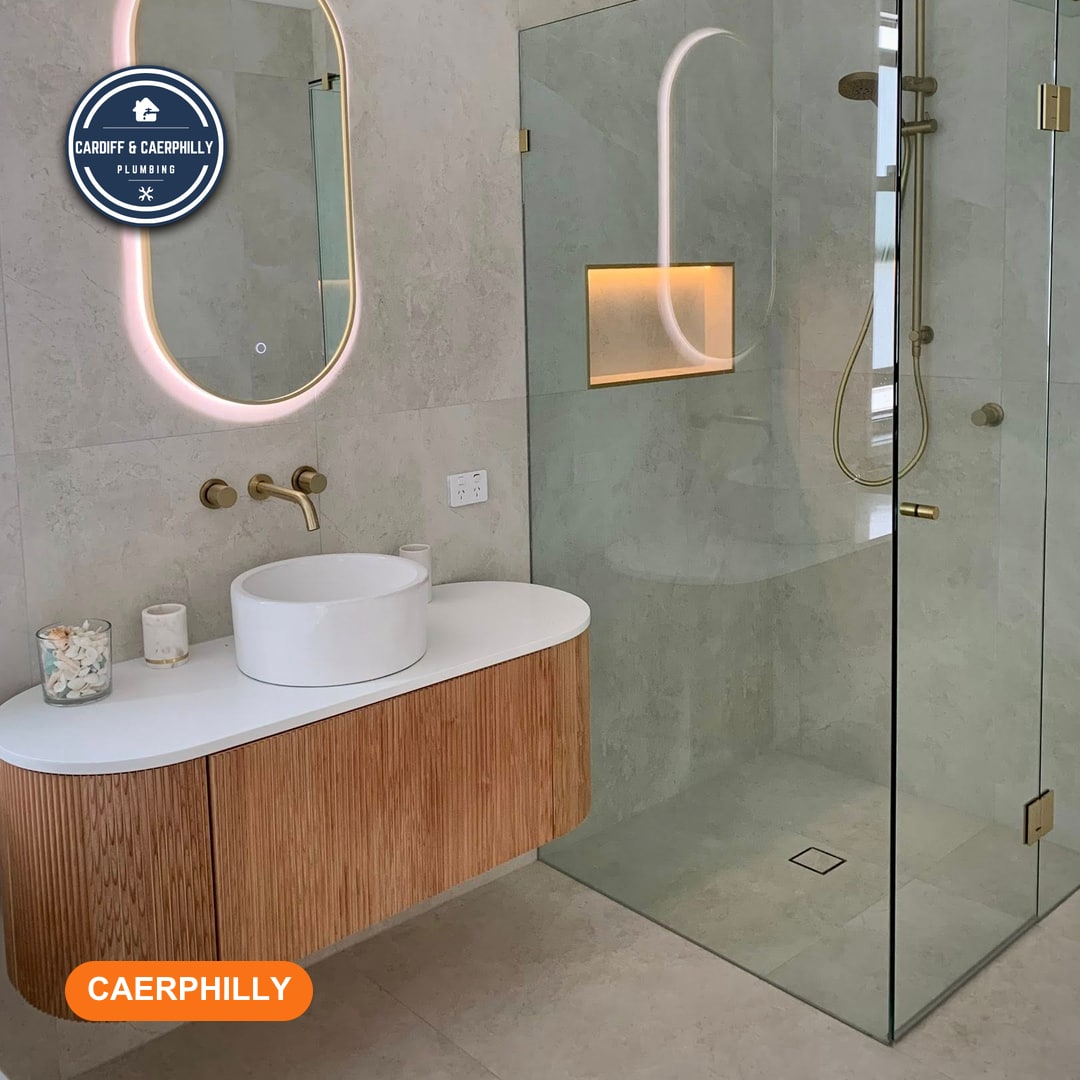
A fresh, functional bathroom significantly improves daily living and adds tangible value to your home. For homeowners in Caerphilly considering an update, finding reliable bathroom fitters is often the first step to making that vision a reality. We specialise in comprehensive bathroom installations, handling all the crucial plumbing elements to ensure your new space is not only beautiful but also fully compliant and built to last.
Why Invest in Professional Bathroom Fitters in Caerphilly?
Remodelling a bathroom is a substantial undertaking, far more complex than just replacing a sink. It involves intricate plumbing work, often relocating pipework, managing waste systems, ensuring proper ventilation, and precise installation of fixtures and tiling. Attempting this without professional expertise can lead to costly mistakes, from persistent leaks to inadequate drainage or even structural damage. Hiring experienced bathroom fitters in Caerphilly ensures every aspect of your project, especially the critical plumbing, is handled correctly from the outset.
We understand the specific requirements and challenges of properties across Caerphilly, from traditional terraced houses near the castle to newer developments in areas like Hendy and energlyn. Our local knowledge means we can anticipate potential issues, such as variable water pressure in older homes or specific waste pipe configurations, and plan accordingly. We focus on delivering a bathroom that meets your aesthetic desires while ensuring optimal functionality and longevity.
Understanding Bathroom Renovation Costs in Caerphilly
The cost of a new bathroom in Caerphilly can vary significantly, depending on several key factors. There isn't a single price for a bathroom renovation, as each project is unique. Understanding these variables will help you budget effectively for your planned upgrade.
Key Cost Factors:
- Size of the Bathroom: A larger bathroom naturally requires more materials for tiling, flooring, and potentially more fixtures. Smaller en-suites or cloakrooms will generally cost less due to reduced material and labour requirements.
- Fixture and Fitting Choices: This is often the biggest cost differentiator.
- Layout Changes and Plumbing Work:
- Tiling and Wall Finishes: The choice of wall and floor covering has a big impact.
- Preparation Work: Older bathrooms in Caerphilly often require substantial preparation. This might include removing old plaster, dealing with damp, re-boarding walls, or levelling floors. These "hidden" costs are crucial for a durable finish.
- Waste Removal: Disposing of old bathroom suites, tiles, and building waste needs to be factored in.
We provide transparent, itemised quotes after a thorough on-site survey. This ensures you understand exactly where your investment is going and there are no surprises once the work begins.
The Bathroom Fitting Process: What to Expect
A professional bathroom installation follows a structured process to ensure efficiency, quality, and minimal disruption. Here's a breakdown of the typical steps involved when we undertake a bathroom project in your Caerphilly home:
1. Initial Consultation and Design
This first step involves understanding your vision, needs, and budget. We'll discuss layout options, fixture choices, materials, and any specific requirements you have. We'll also assess your existing plumbing system to identify any potential challenges or opportunities.
2. Stripping Out the Old Bathroom
Once the design is finalised and materials are ordered, the work begins. This involves carefully removing all old fixtures – the toilet, basin, bath/shower, existing tiles, and sometimes even the plasterboard if it's damaged or needs replacing. Water supply is typically isolated at this stage for safety.
3. First Fix Plumbing and Electrics
This is the crucial stage where all pipework that will be hidden behind walls or under floors is installed or repositioned. This includes hot and cold water feeds for the basin, toilet cistern, bath, and shower, as well as waste pipes for all fixtures. Accurate measurement and secure fixing are paramount to prevent future leaks or blockages. If new electrical points (e.g., for a lighted mirror, shaver socket, or electric shower) are required, a qualified electrician will carry out the 'first fix' wiring alongside the plumbing. We ensure all our electrical partners are fully certified for your peace of mind.
4. Plastering and Wall Preparation
After the first fix, walls are prepared. This often involves plastering or re-boarding with moisture-resistant plasterboard, especially in shower areas. Smooth, level walls are essential for a high-quality tiling finish. Floors may also need levelling or reinforcing at this point.
5. Second Fix Plumbing and Tiling
This stage is where the bathroom really starts to take shape.
- Tiling: Walls and floors are tiled according to the chosen design. This requires precision cutting, careful application of adhesive, and precise grouting for a waterproof and aesthetically pleasing finish.
- Second Fix Plumbing: Once tiling is complete, the final plumbing connections are made. This includes installing the shower valve, taps, and connecting the toilet cistern and pan. Isolation valves are fitted where necessary for easy future maintenance.
6. Installation of Sanitary Ware and Fixtures
With tiling done, the main bathroom suite components are installed. This includes the basin and vanity unit, the toilet, and the bath or shower enclosure. All connections are tested thoroughly for leaks, and seals are applied around baths, basins, and shower trays to ensure a watertight finish.
7. Final Touches and Snagging
The last stage involves fitting accessories like mirrors, towel rails, toilet roll holders, and any final electrical fittings such as lights or extractor fans. We then conduct a thorough inspection, checking every detail, testing all plumbing, and ensuring everything functions perfectly and meets our high standards. Any minor adjustments or "snags" are addressed promptly.
Choosing the Right Materials and Fixtures for Your Caerphilly Home
The selection of materials and fixtures will define the look, feel, and durability of your new bathroom. There are countless options available, each with its own benefits and considerations.
- Sanitary Ware (Toilets, Basins, Baths):
- Showers:
- Taps:
- Tiles and Wall Coverings:
- Flooring:
When helping you choose, we’ll advise on what works best for your specific bathroom size and existing plumbing setup in Caerphilly, balancing aesthetics with practical considerations like water pressure and maintenance.
Common Mistakes to Avoid in Your Bathroom Project
Even with the best intentions, certain pitfalls can derail a bathroom renovation. Being aware of these can save you time, money, and frustration.
- Poor Planning and Design: Rushing the design phase often leads to regrets. Take time to consider the layout, storage needs, and long-term functionality. A cramped layout or insufficient storage can quickly make a new bathroom feel old.
- Underestimating the Budget: Hidden costs, especially in older Caerphilly properties, are common. Always factor in a contingency fund (typically 10-15% of the total budget) for unforeseen issues like rotten floorboards or unexpected pipework rerouting.
- Ignoring Ventilation: Bathrooms are naturally damp environments. Inadequate ventilation leads to mould, mildew, and damage to surfaces. Ensure you have a powerful extractor fan that meets current building regulations and vents to the outside, not just into the loft space.
- Buying Cheap Fixtures and Fittings: While saving money upfront might seem appealing, low-quality taps, showers, or sanitary ware can quickly degrade, leak, or fail, leading to more expense in repairs and replacements down the line. Invest in durable, reputable brands.
- Not Waterproofing Properly: Especially critical in shower areas and wet rooms, proper waterproofing (tanking) behind tiles is essential to prevent water ingress into walls and floors, which can cause significant structural damage and costly repairs.
- DIY Plumbing Mistakes: While some might consider general DIY, plumbing is a skilled trade. Incorrectly installed pipes, fittings, or waste systems can lead to leaks, low water pressure, or drainage issues that are expensive and disruptive to fix later. Always use Gas Safe registered professionals for any gas appliances and qualified plumbers for water systems.
- Forgetting Isolation Valves: Ensuring there are accessible isolation valves for each fixture (toilet, basin, shower) can save immense hassle if a repair is needed, as you won't have to shut off the main water supply to the entire house.
By avoiding these common mistakes, your bathroom renovation in Caerphilly will be a much smoother and more successful process.
How Long Does a Bathroom Installation Take?
The duration of a bathroom fitting project can vary depending on its complexity, the size of the room, and the extent of the changes. For a standard bathroom renovation in Caerphilly, replacing like-for-like fixtures without major layout changes, you can typically expect the work to take:
- Small Bathroom/En-suite: 5-7 working days.
- Standard Family Bathroom: 7-10 working days.
- Large Bathroom with Layout Changes/Wet Room: 10-15 working days or more.
These timelines are estimates and can be influenced by factors such as:
- Delivery times for specific fixtures: Custom items or certain tile ranges can have longer lead times.
- Drying times: Plaster, tile adhesive, and grout all require specific drying periods to cure properly.
- Unforeseen issues: Discovering damp, old wiring, or problematic pipework once the old bathroom is stripped out can add extra time.
We strive to keep disruption to a minimum and will provide a realistic timeline upfront, keeping you informed of progress every step of the way.
What to Look For When Hiring Bathroom Fitters in Caerphilly
Choosing the right professionals for your bathroom renovation is crucial for a successful outcome. Here’s what you should consider when selecting bathroom fitters in Caerphilly:
- Local Experience and Reputation: Opt for fitters with a proven track record in Caerphilly. Local tradespeople understand the types of properties and common plumbing configurations in the area, which can be invaluable.
- Comprehensive Service: Look for a company that can handle all aspects of the job, including plumbing, tiling, and potentially electrical work through trusted partners. This reduces the stress of coordinating multiple trades.
- Qualifications and Insurance:
- Clear Communication and Detailed Quotes: The best fitters will provide a transparent, itemised quote that breaks down labour and material costs. They should communicate clearly throughout the project, keeping you updated on progress and any potential changes.
- Portfolio and References: Ask to see examples of previous work. While we don't present every project as new, seeing a quality finish speaks volumes. Consider asking for references from past clients for larger projects.
- Guarantees: Inquire about guarantees on workmanship and installations. A confident professional will stand by their work.
When you choose us, you're partnering with experienced, local plumbing specialists dedicated to creating your ideal bathroom. We're Gas Safe registered for relevant work and fully public liability insured, providing peace of mind from start to finish.
Ready to discuss your bathroom renovation project in Caerphilly? Let's bring your vision to life with expert plumbing and fitting.
Frequently Asked Questions
How much does it cost to fit a new bathroom in Caerphilly?
The cost varies greatly depending on size, fixture choices, and if the layout changes. A standard family bathroom renovation in Caerphilly could range from £4,000 to £10,000+, not including high-end luxury fittings or extensive structural work. We provide detailed, itemised quotes after a site visit.How long does a bathroom fitting take?
Most standard bathroom installations in Caerphilly take between 7 to 10 working days. Larger or more complex projects, especially those involving layout changes or wet rooms, can take 2-3 weeks. We will give you an estimated timeline after our initial assessment.Do I need planning permission for a new bathroom in Caerphilly?
Generally, no, you do not need planning permission for internal bathroom renovations. However, if you are making structural changes, altering external windows/doors, or converting a non-bathroom space, you might need to check with Caerphilly County Borough Council planning department. We can advise on typical situations.What plumbing work is involved in a bathroom renovation?
A bathroom renovation typically involves isolating existing water supplies, removing old fixtures, rerouting hot and cold water pipes and waste pipes (first fix plumbing), installing new fixtures like baths, toilets, and basins, connecting taps and showers (second fix plumbing), and testing for leaks.Can you help with small bathroom renovations in Caerphilly?
Yes, we handle projects of all sizes, from small en-suites and cloakrooms to full family bathrooms. We're skilled at optimising space and functionality even in compact areas common in Caerphilly properties.What should I prepare before bathroom fitters arrive?
Before work begins, ensure the bathroom is cleared of personal items, and any valuable objects in adjacent rooms are protected or moved. We will then manage the isolation of water supplies and protection of the work area.https://www.cardiffandcaerphillyplumbers.com/