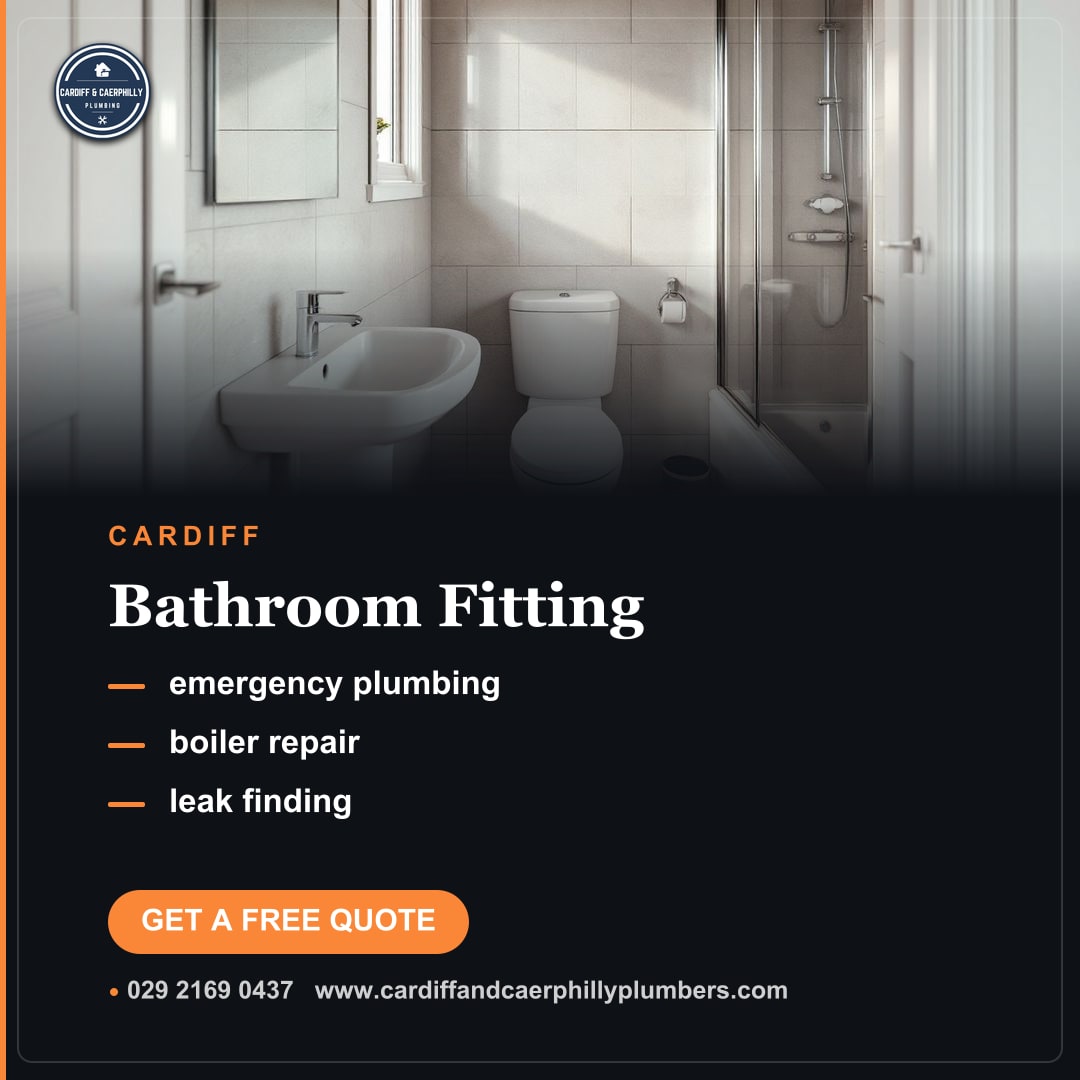
Creating a new bathroom in your Cardiff home is more than just a cosmetic upgrade; it's about fundamentally improving how you live and use your space. For residents across Cardiff and Caerphilly, a professionally installed bathroom means a reliable, functional, and beautiful area built to last. When you're considering a full renovation, the plumbing infrastructure is the backbone of the entire project, ensuring everything from your shower to your toilet functions flawlessly day in, day out.
A well-fitted bathroom enhances your property's value and provides a daily sanctuary. Whether you live in a Victorian terrace with a compact bathroom or a modern apartment needing a sleek, efficient en-suite, getting the plumbing right is critical. This guide explores what goes into a high-quality bathroom fitting project, focusing on the plumbing aspects that make all the difference.
Why Consider a Bathroom Refurbishment in Cardiff?
Many homes in Cardiff, from the historic terraces of Cathays to the newer developments in Pontprennau, benefit significantly from a bathroom refresh. Older properties often feature outdated pipework, inefficient fixtures, and layouts that no longer serve modern needs. A refurbishment is an opportunity to address persistent issues like low water pressure, slow drainage, or inefficient heating for hot water. It's about building a better system from the ground up, ensuring robust plumbing that won't let you down.
Beyond functionality, a modern bathroom improves daily comfort and hygiene. Upgrading to contemporary, water-efficient toilets and taps can also contribute to lower utility bills over time, a sensible consideration for any homeowner. The aesthetic appeal of a new bathroom also cannot be overstated, creating a clean, inviting space that reflects your personal style. For anyone looking at bathroom fitting Cardiff wide, considering these benefits is the first step towards a successful project.
Planning Your Bathroom Fitting Project
Successful bathroom fitting hinges on meticulous planning. Before any work begins, a detailed understanding of your space, needs, and budget is essential. This stage involves significant plumbing considerations, as the layout of pipes, waste, and water supply dictates what is possible.
Design and Layout Considerations
The design phase goes beyond choosing tiles and paint colours. It’s about optimising the plumbing points to create a functional and efficient layout. For example, relocating a toilet or shower significantly impacts pipework, potentially requiring new waste and supply lines to be run through floors or walls. In Cardiff properties, especially older ones, this can involve navigating existing structural elements. Our plumbers assess your current system and advise on the most practical and cost-effective ways to achieve your desired layout. We consider:
- Fixture placement: Where will the toilet, basin, shower, and bath go? Each needs dedicated water supply and waste drainage.
- Water pressure: Does your existing system provide adequate pressure for your chosen shower or bath filler? Sometimes, booster pumps or system upgrades are necessary.
- Hot water provision: Is your boiler capable of meeting the demands of a new, potentially larger, shower or bath? Consideration for unvented cylinders or combination boilers might be needed.
- Ventilation: Proper ventilation is crucial for preventing damp and mould, which can impact plumbing fixtures and surrounding materials. Plumbers often integrate extraction fans, ensuring they are correctly vented externally.
Budgeting: Realistic Cost Factors for Bathroom Fitting
The cost of bathroom fitting varies widely, depending on the scope of work, choice of fixtures, and complexity of the plumbing. There are no fixed prices, but understanding the factors that influence cost can help you set a realistic budget.
- Scope of Work:
- Fixture Quality:
- Materials:
- Labour:
- Waste Disposal: Removing old bathroom suites and building materials incurs skip hire and disposal fees.
- Accessibility: If your home has difficult access for materials or waste, this can impact logistics and costs.
Getting a detailed, itemised quote from reputable Bathroom fitters Cardiff wide is crucial. This helps you understand where your money is going and avoid surprises.
The Bathroom Fitting Process: What to Expect
Once the design is finalised and materials are selected, the physical work begins. A typical bathroom fitting project follows a structured process to ensure efficiency and minimise disruption.
Step 1: Isolation and Demolition
The first critical plumbing step involves isolating the water supply to the existing bathroom. All old fixtures – toilet, basin, bath, shower – are carefully disconnected and removed. This stage also includes stripping out old tiles, flooring, and potentially plasterboard to expose the underlying walls and floorboards, providing access to the existing pipework. Our team ensures proper disposal of all waste materials. This is often the messiest part, but essential for a clean slate.
Step 2: First-Fix Plumbing
This is arguably the most crucial stage from a plumbing perspective. "First-fix" refers to all the hidden pipework that goes behind walls and under floors. It includes:
- Running new water supply lines: Both hot and cold feeds are installed to the precise locations for the new basin, toilet cistern, bath, and shower mixer. We use durable materials, typically copper or modern plastic (PEX) systems, chosen for their longevity and suitability for the specific installation.
- Installing waste pipework: New waste pipes are laid for all fixtures, ensuring correct gradients for efficient drainage to the main soil stack. This prevents blockages and ensures water flows away freely. Proper ventilation of the waste system is also addressed at this stage to prevent siphonage and odours.
- Shower valve installation: If a concealed shower mixer is chosen, the valve body is installed within the wall, ensuring it's at the correct depth for the finished wall surface.
- Concealed cistern frames: For wall-hung toilets, the frame and cistern are securely installed within the wall cavity.
- Bath waste and overflow: The necessary pipework for the bath is positioned, ready for the bath installation later.
Before any walls are re-sealed, all new pipework is pressure tested to check for leaks. This vital step prevents costly issues down the line once tiles are on.
Step 3: Electrics and Plastering (Non-Plumbing Elements)
While not direct plumbing work, these stages are integrated into the overall schedule. Any new electrical wiring for lighting, shaver sockets, or extractor fans is completed after first-fix plumbing. Once electrical first-fix is done, the walls and ceiling are boarded and plastered. Adequate drying time for plaster is essential, especially during the autumn months in Cardiff, to ensure a solid, stable surface for tiling.
Step 4: Tiling and Flooring (Non-Plumbing Elements)
After plastering, the walls and floors are prepared for tiling and other floor finishes. This is where the aesthetic vision really comes to life. Our team works closely with other trades to ensure that the plumbing points remain accessible and correctly aligned for the second-fix stage.
Step 5: Second-Fix Plumbing and Fixture Installation
With the room decorated, it's time for the "second-fix" plumbing – installing all the visible fixtures:
- Basin installation: The basin is fitted, connected to the prepared water supply and waste pipes, and sealed. Taps are installed and checked for leaks.
- Toilet installation: The toilet pan is securely fitted to the waste outlet, and the cistern connected to the water supply. Any concealed cisterns are connected and tested.
- Bath installation: The bath is carefully positioned, connected to its waste and overflow, and then sealed around its perimeter. Bath fillers or taps are then installed.
- Shower installation: The shower head, riser rail, and any visible controls are fitted to the pre-installed valve. Shower screens or enclosures are erected. For wet rooms, the shower tray or linear drain is connected to the waste system, and the tanking checked for integrity.
- Radiators/Towel Rails: If a new heated towel rail or radiator is part of the plan, it's connected to the central heating system and tested.
- Final checks: Every tap, flush, and shower is rigorously tested for proper function, water tightness, and pressure. We ensure everything is working as it should and that no leaks are present.
Step 6: Commissioning and Handover
The final stage involves commissioning any new appliances, like power showers or unvented hot water cylinders, and performing a thorough clean-up. We walk you through your new bathroom, explaining how to operate any new features and answering any questions you may have. Your new, functional bathroom is then ready for you to enjoy.
Choosing the Right Plumber for Your Cardiff Bathroom
Entrusting your bathroom fitting project to the right professionals is paramount. When selecting a plumber or bathroom fitter in Cardiff, consider more than just the initial quote.
- Specialist Plumbing Expertise: While many builders offer bathroom fitting, ensure a qualified plumber is leading the plumbing aspects. At Cardiff and Caerphilly Plumbers, our focus is solely on plumbing, guaranteeing deep expertise in pipework, water systems, and fixture installation.
- Qualifications and Insurance: Always verify that your chosen plumber holds the necessary qualifications. For any work involving gas (e.g., boiler relocation affecting hot water supply to the bathroom), they must be Gas Safe registered. We are Gas Safe registered and carry comprehensive Public liability insured, providing peace of mind.
- Local Knowledge: A plumber familiar with Cardiff and its diverse housing stock understands the specific challenges and common plumbing configurations found in local properties. This local insight can often lead to more efficient and effective solutions.
- Clear Communication: A good tradesperson keeps you informed at every stage, explaining options, potential issues, and progress. Look for a team that listens to your needs and provides clear, understandable advice.
- Transparent Quoting: Demand a detailed, itemised quote that breaks down labour, materials, and any other associated costs. This helps you compare services accurately and understand the value you're receiving.
Common Bathroom Fitting Mistakes to Avoid
Even with careful planning, some common pitfalls can derail a bathroom fitting project. Awareness of these can save you time, stress, and money.
- Underestimating the Budget: It’s easy to get carried away with appealing fixtures. Always have a contingency fund (typically 10-15% of the total budget) for unexpected issues, especially when working in older Cardiff homes where original pipework might reveal surprises.
- Poor Plumbing Layout Planning: Rushing the design phase without thoroughly considering the plumbing implications can lead to awkward layouts, restricted access, or inefficient systems. Always consult a plumber early in the design process.
- Ignoring Water Pressure: Assuming your existing water pressure will suffice for a high-end rain shower or multiple fixtures is a common error. Test your pressure and discuss requirements with your plumber to avoid disappointment.
- DIY Plumbing Without Expertise: While some homeowners enjoy DIY, plumbing is a skilled trade. Incorrectly installed pipework can lead to leaks, water damage, and costly repairs. Leave the critical pipework to qualified professionals.
- Inadequate Ventilation: A poorly ventilated bathroom will quickly succumb to damp, mould, and condensation, which can damage plaster, paint, and even the seals around your plumbing fixtures. Ensure a robust extraction fan is properly sized and vented externally.
- Forgetting Accessibility: Think about future needs. If you plan to live in your home for many years, consider features like walk-in showers or grab rails, even if not immediately necessary. Integrating these during the fitting stage is far easier and more cost-effective than retrofitting.
Frequently Asked Questions
How much does bathroom fitting cost in Cardiff?
The cost varies significantly based on size, desired fixtures, and how much pipework needs moving. A basic refurbishment might start from a few thousand pounds, while a high-end, custom-designed bathroom with major layout changes could be considerably more. It’s always best to get a detailed, itemised quote after an on-site assessment.How long does a typical bathroom fitting project take?
A standard bathroom refurbishment, including demolition, first-fix and second-fix plumbing, electrical work, plastering, and tiling, usually takes between 1 to 3 weeks. Complex projects or those requiring significant structural alterations can take longer. We provide a clear timeline estimate after the initial assessment.Do I need planning permission for a new bathroom in Cardiff?
Generally, you do not need planning permission for internal alterations like fitting a new bathroom, unless your property is listed or in a conservation area, or if you are significantly altering the building's exterior (e.g., adding new windows). However, all electrical work and some drainage alterations must comply with building regulations. A professional plumber will ensure all plumbing aspects meet these standards.What should I do to prepare my home before bathroom fitting begins?
Before the work starts, clear the bathroom of all personal items, towels, and toiletries. Ensure clear access to the bathroom and a clear path for carrying materials in and out. If you have chosen to supply your own fixtures, ensure they are on site and ready for installation on the agreed date.Can you help with plumbing for a wet room installation?
Yes, we specialise in the complex plumbing and tanking required for wet room installations. This includes ensuring proper gradients for drainage, correct waste trap installation, and robust waterproofing (tanking) to prevent leaks, which is critical for the longevity and functionality of a wet room.Getting your bathroom fitted correctly is an investment in your home's comfort and value. Work with a trusted, local professional who understands the unique plumbing requirements of Cardiff properties.
https://www.cardiffandcaerphillyplumbers.com/